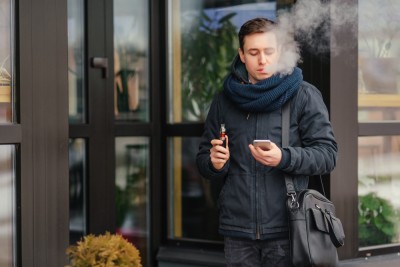
Recent insights from health experts caution that while vaping is often perceived as a safer alternative to smoking, nicotine-containing e-cigarettes still pose risks to the body, including adverse effects on the skin. Emerging evidence indicates that vaping might disrupt the skin’s natural healing processes and could potentially lead to inflammation and acne.
Medical professionals highlight that nicotine causes the narrowing of small blood vessels throughout the body, which in turn diminishes the flow of oxygen and nutrients to the skin. This healthy circulation is crucial for repairing acne lesions, minor wounds, and other skin irritations. With reduced blood supply, the skin’s ability to heal promptly may be compromised.
Beyond affecting circulation, vaping introduces chemicals into the body that elevate oxidative stress and inflammation levels. These changes can contribute to a dull complexion and, for some individuals, exacerbate acne or make existing breakouts more challenging to control.
Although the research on the link between vaping and acne is still developing, experts point out that vaping alone cannot be solely blamed for skin issues. Factors such as hormones, diet, genetics, and skincare practices also significantly influence skin health.
For those who maintain a consistent skincare regimen yet continue to face persistent inflammation, slow healing, or recurring breakouts, it might be worthwhile to evaluate whether nicotine use could be a contributing factor. Medical professionals stress that maintaining healthy skin involves more than just external skincare products; it is also dependent on internal factors like circulation, inflammation, and tissue repair capability.