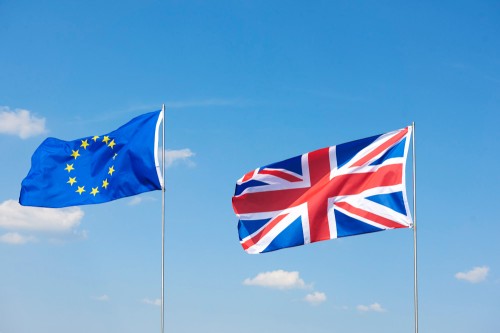
The United Kingdom is considering the establishment of a single market for goods with the European Union in an effort to enhance post-Brexit trade relationships and stimulate economic growth. This concept was deliberated by senior UK representatives during recent discussions in Brussels, aimed at improving economic collaboration between the UK and the EU. Despite these efforts, European officials have shown limited enthusiasm for the proposal, instead suggesting alternatives like a customs union or joining the European Economic Area (EEA).
While the UK government remains firm on its stance against rejoining the EU single market, customs union, or embracing the free movement of people, these options present significant political challenges. Nonetheless, both parties are gearing up for a UK-EU summit anticipated in July. This summit is expected to center around several practical agreements, including a veterinary and food standards arrangement to facilitate the trade of agricultural products, the integration of carbon emissions trading systems, and a youth mobility scheme for educational and employment opportunities.
In addition to these discussions, the UK is pursuing closer collaboration in areas such as defense, steel, electric vehicles, and technology. British officials are hopeful that improved trade arrangements will foster long-term economic growth and enhance industrial cooperation across Europe. The emphasis on these sectors reflects the UK’s strategic interest in strengthening its economic ties with the EU while navigating the complexities of post-Brexit relations.
However, EU representatives remain cautious about granting the UK special access to the single market. They argue that such a unique arrangement could potentially embolden Eurosceptic sentiments in other European nations. This cautious approach underlines the EU’s broader concerns about maintaining unity and stability within its member states.
As negotiations continue in the lead-up to the planned summit, both sides are working to find common ground that respects political realities while fostering mutually beneficial economic ties. The outcome of these discussions will be closely watched as the UK and EU seek to redefine their relationship in the wake of Brexit.