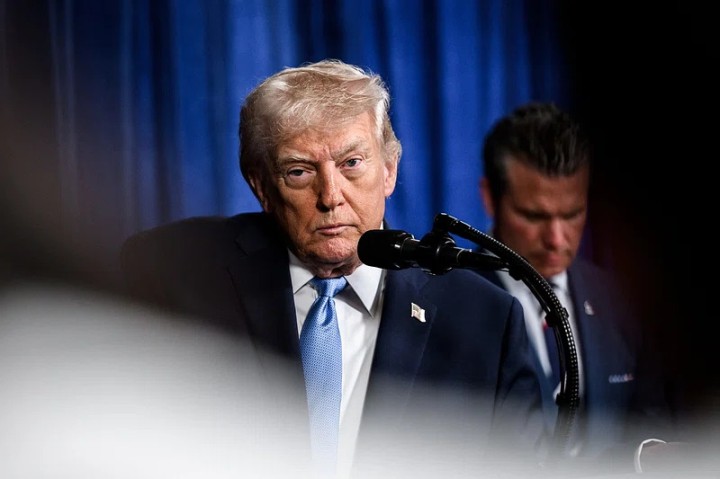
Despite recent tensions in Lebanon, the proposed peace agreement between the United States and Iran is still progressing, according to US President Donald Trump. The peace talks faced a setback following an Israeli strike on Beirut’s southern suburbs, which occurred just before Washington and Tehran were set to finalize the agreement. The incident sparked strong reactions from Iranian officials and raised questions about the future of the negotiations.
President Trump acknowledged that the military strike had delayed the agreement’s signing and expressed frustration with Israeli Prime Minister Benjamin Netanyahu. Trump noted that the military action came at a critical juncture in the negotiations, complicating diplomatic efforts and potentially jeopardizing progress toward a broader regional settlement.
In response, Iran issued warnings, stating that both the United States and Israel would be held accountable for any further escalation. Senior Iranian officials emphasized that Iran was ready to respond if regional tensions continued to rise. Despite these challenges, Trump assured that the agreement remains on track and emphasized its potential to enhance regional security by addressing concerns about Iran’s nuclear program. The proposed framework is expected to include provisions for nuclear oversight, inspections, and broader security measures.
The peace initiative also aims to facilitate the reopening of the Strait of Hormuz, a crucial global shipping route vital to international energy supplies and trade. Financial markets are closely watching the developments, as a successful agreement could stabilize oil prices and reduce geopolitical risks.
Both sides have indicated progress, but uncertainty lingers over the agreement’s final details and implementation timeline. Diplomatic efforts are ongoing as negotiators strive to secure formal approval and prevent renewed violence from disrupting the process. While the agreement is seen as a significant step toward easing Middle East tensions, analysts caution that achieving lasting peace will depend on successful implementation and ongoing dialogue among regional stakeholders.