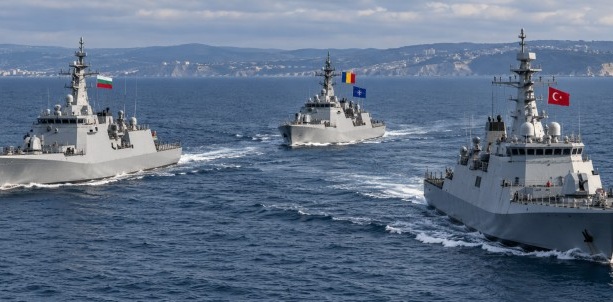
Bulgaria, Romania, and Türkiye are set to bolster their security operations in the Black Sea as part of the NATO Mine Countermeasures Group. This expansion will focus on safeguarding critical underwater infrastructure, including gas and oil pipelines, internet and fiber-optic cables, and electricity connections. The initiative comes amid ongoing regional security concerns, particularly heightened by the Russia-Ukraine conflict.
Bulgarian Navy Commander Rear Admiral Kiril Mihailov announced on October 20 that the expanded mission would encompass monitoring underwater infrastructure alongside the existing tasks of detecting and neutralizing sea mines and drones. This new phase of operations is expected to commence following ratification by the Turkish Parliament.
The joint efforts of Bulgaria, Romania, and Türkiye will involve identifying the underwater infrastructure deemed vital for national and regional security. Rear Admiral Mihailov highlighted that the Bulgarian Navy has been actively engaged in maritime security operations since the onset of the Russia-Ukraine war. To date, Bulgarian forces have neutralized six floating mines and discovered over 100 drones, with 35 assessed as genuine threats being destroyed.
In addition to these measures, Bulgaria is conducting joint operations to ensure continuous surveillance of its territorial waters, with the navy taking a leading role. These operations are conducted in collaboration with neighboring Black Sea countries and international partners, including the use of a US maritime patrol aircraft in monitoring activities.
The overarching aim of these expanded security measures is to enhance maritime security, protect vital underwater infrastructure, and foster better coordination among NATO members in the Black Sea region. The initiative underscores the strategic importance of the Black Sea and the critical need for cooperative defense efforts amid persistent regional tensions.