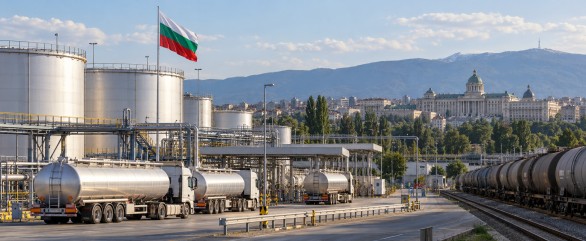
The lifting of Bulgaria’s restriction on petroleum exports within the European Union may alleviate administrative burdens for fuel companies, but it also raises concerns about domestic fuel prices and supply. As Bulgaria grapples with a sharp rise in fuel costs, the decision to end the export restriction could have significant implications for both consumers and the market.
Bulgaria’s National Assembly voted to repeal the measure, initially imposed in October 2025, following a parliamentary session on September 23, 2026. Deputy Economy Minister Mihaela Karadimova explained that the risks justifying the restriction no longer exist and that maintaining it was creating logistical challenges for fuel companies. She assured that Bulgaria currently has enough fuel supplies to meet domestic demands and highlighted the restriction as a deviation from the EU’s principle of free movement of goods.
Despite these assurances, opposition lawmakers have expressed concerns that ending the export limitation might exacerbate the pressure on local fuel prices and availability. They have called for measures to safeguard the domestic market to ensure that Bulgarian consumers are not adversely affected.
This decision comes at a time when Bulgaria is experiencing a significant surge in fuel prices, marking a 34.5% annual increase as of August 2026, which is the steepest rise among EU countries for that month. As of late September, the average price for A95 petrol in Bulgaria was around €1.69 per litre, with diesel at approximately €1.95 per litre.
The removal of the export restriction reflects Bulgaria’s confidence in its domestic fuel supply, but it also underscores the delicate balance the country must maintain between participating in the broader EU market and ensuring stability in its local economy.