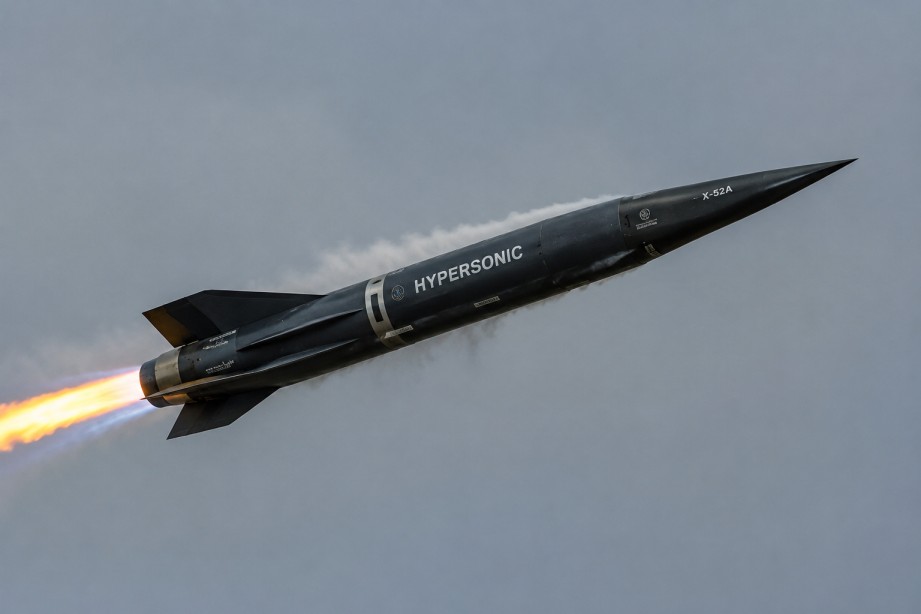
In a significant escalation of the conflict, Russia has executed a large-scale missile and drone attack on Kyiv and surrounding areas, marking the third deployment of its hypersonic Oreshnik ballistic missile in the ongoing Ukraine war. Ukrainian officials have reported that the assault resulted in the deaths of at least four individuals and left around 100 others injured. President Volodymyr Zelenskyy specified that the strikes targeted both Kyiv and the city of Bila Tserkva, causing extensive damage to residential areas, educational institutions, a water facility, government offices, and a major market. Numerous fires were ignited across various districts as a consequence of the assault.
According to Ukrainian reports, the offensive involved nearly 600 drones and 90 missiles, including numerous ballistic missiles, launched overnight. Although a substantial portion of these projectiles was intercepted, several still managed to hit central Kyiv, resulting in significant devastation. Russia has verified the use of the Oreshnik missile alongside other sophisticated missile systems, asserting that the strikes were aimed at Ukrainian military infrastructure and were a response to alleged Ukrainian offensives in Russian-controlled regions.
Mayor of Kyiv, Vitali Klitschko, noted that all districts of the capital experienced damage, with emergency crews actively engaged in rescuing individuals trapped in shelters and extinguishing fires caused by the explosions. The attacks also inflicted damage on Ukraine’s National Art Museum and sections of the foreign ministry building. Ukrainian officials have characterized these strikes as intentional assaults on civilian infrastructure and cultural heritage sites.
The international community, particularly European leaders, has strongly condemned the attack. French President Emmanuel Macron denounced the Oreshnik missile deployment as a dangerous escalation, while German Chancellor Friedrich Merz described the actions as reckless. Officials from the European Union accused Russia of deploying terror tactics against civilian populations. The Oreshnik missile, introduced by Russia in late 2024, is touted for its ability to carry either nuclear or conventional warheads and travel at hypersonic speeds, although Western analysts have expressed skepticism regarding some of these claims made by Russian President Vladimir Putin.
This latest offensive follows closely on the heels of a warning from Putin, who had threatened retaliation in response to purported Ukrainian drone strikes in Russian-controlled territories. The situation underscores the ongoing volatility and the potential for further escalation in the region.